
Subscription
How CSA Subscriptions Work
The structure of a farm share agreement, what members typically receive, and what the arrangement means for the farm and the household.
A guide to how farm share subscriptions work, what to expect from each season, and where to find a CSA near you.

What Is a CSA
Community-Supported Agriculture connects households directly with local farms. Members pay at the start of the season and receive regular boxes of produce throughout the growing period.
Articles
Practical information about subscribing to a CSA, managing your seasonal box, and finding farms in different provinces.
Subscription
The structure of a farm share agreement, what members typically receive, and what the arrangement means for the farm and the household.
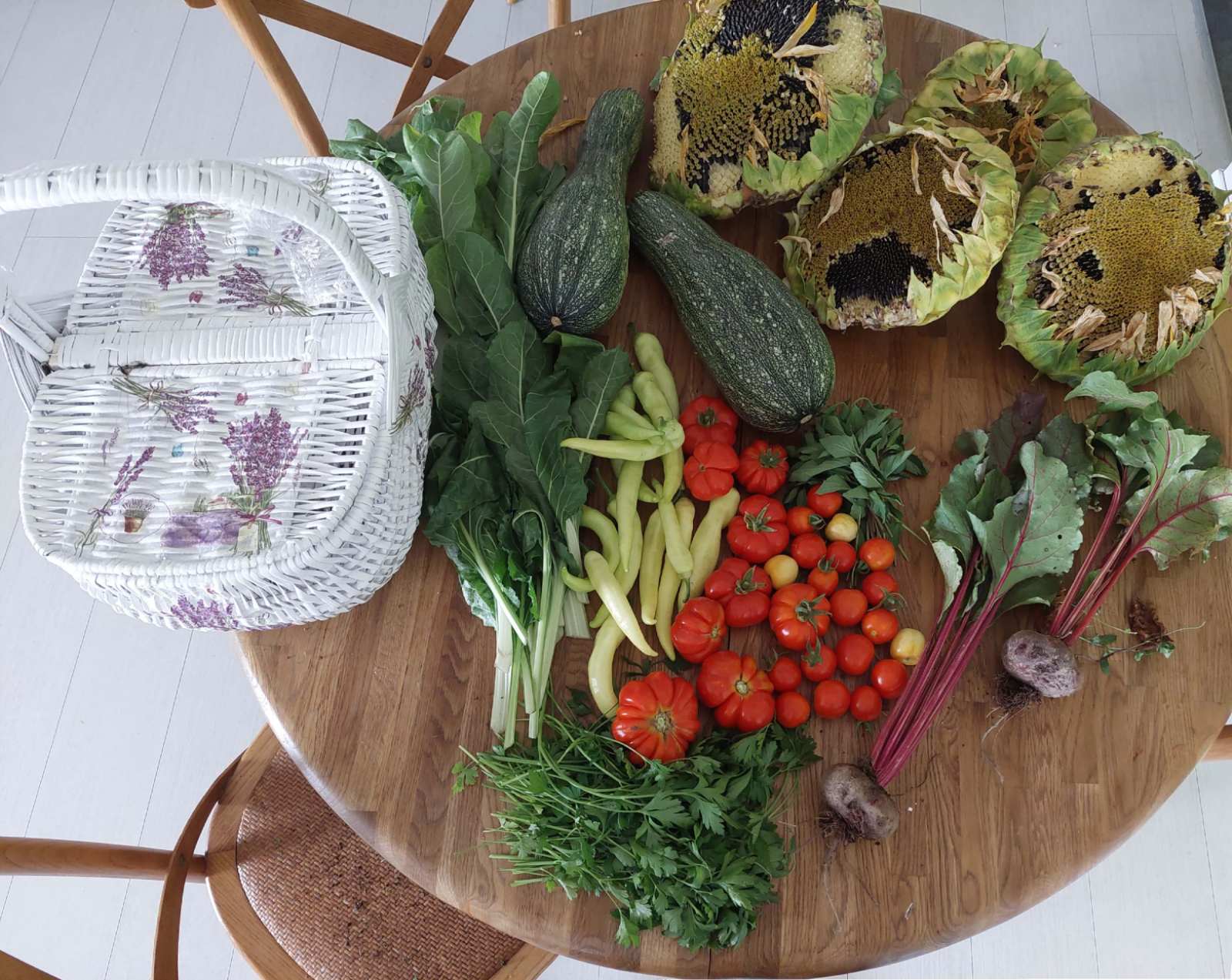
Seasonal guide
A breakdown of the produce that typically arrives through spring, summer, and fall in Canadian CSA boxes, organized by province and climate zone.

Finding a farm
Where to look for CSA farms in Ontario, British Columbia, Quebec, and other provinces, including directories and things to check before subscribing.
About CSA in Canada
Canadian farms operate within defined growing windows that vary considerably by province. In southern Ontario, the outdoor season typically runs from late May through October. In British Columbia's Lower Mainland, mild winters allow some farms to offer year-round subscriptions. Prairie farms generally run shorter summer seasons, often 14 to 18 weeks.
Most CSA farms ask members to pay in full before the season begins. This upfront payment gives the farm capital to purchase seed and cover early planting costs. Some farms offer payment plans or accept equity shares in exchange for work hours. Early registration is common, with many farms selling out their available shares by February or March.
Box delivery or farm pickup are the two standard models. Pickup points in urban areas — community centres, parking lots, or partnered businesses — are used by many farms to reduce transportation costs. Home delivery is available from some farms but typically carries an additional fee. Pickup schedules are usually set weekly on the same day throughout the season.
The defining characteristic of a CSA is that members share in the farm's risk. A poor growing season means smaller or fewer boxes. A successful season may bring extra items. This differs from buying at a farmers market, where the consumer only pays for produce that has already been harvested and graded.
Contact
Questions about this site or its content? Use the form below.