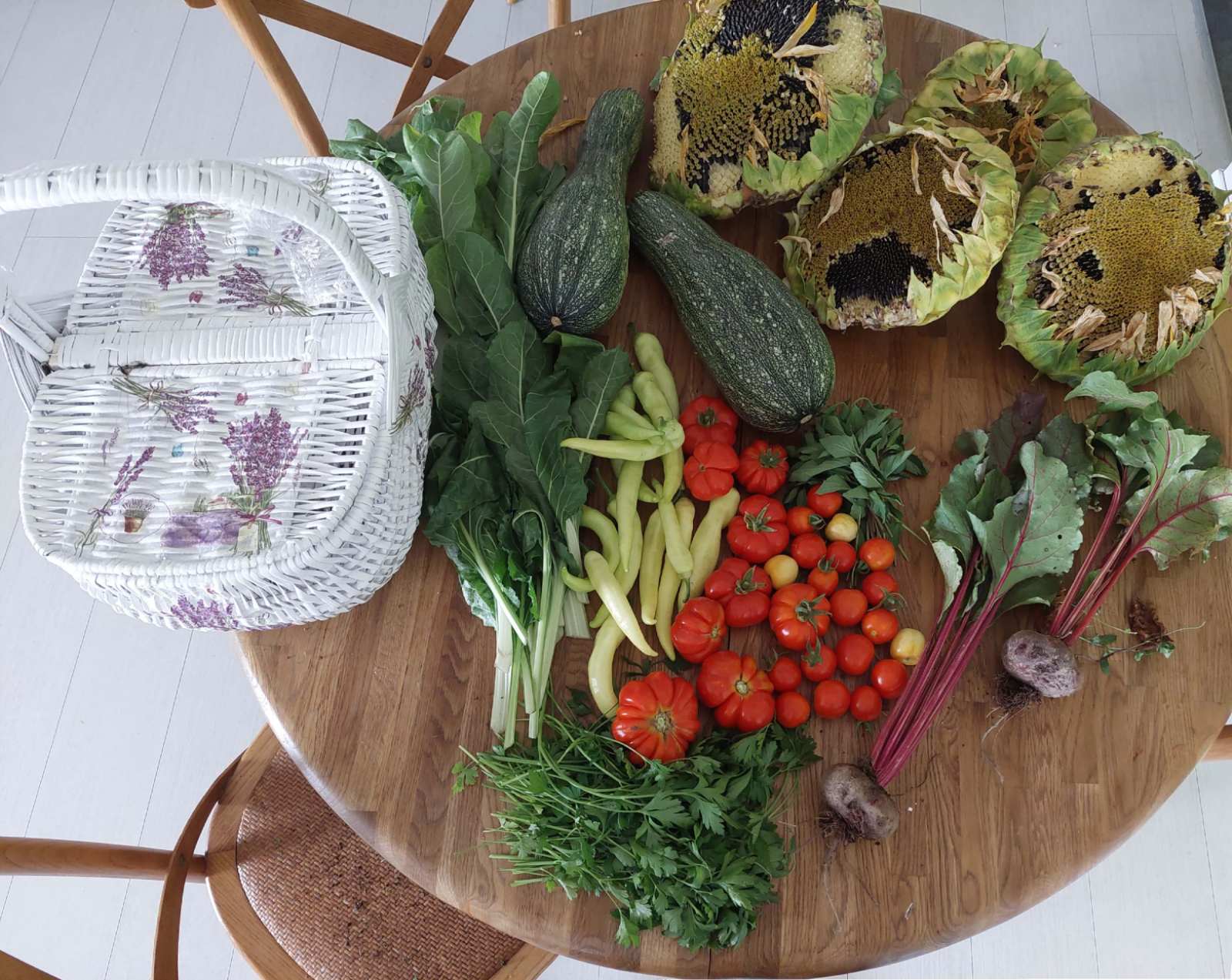
A fall harvest basket typical of the late CSA season in central Canada. Source: Wikimedia Commons (CC)
Why seasonal variation matters in a CSA
Unlike a grocery store, a CSA farm cannot source produce from other growing regions to maintain consistent availability. When a crop isn't ready, it isn't in the box. This is the fundamental reality of farm-direct subscriptions, and understanding the seasonal rhythm of your region helps set accurate expectations.
The patterns described below reflect the standard growing calendar used across most of southern Canada. Northern regions — including northern Ontario, much of Manitoba and Saskatchewan outside urban centres, and most of the territories — have significantly shorter growing windows.
Spring: the lean start of season
Spring shares, where offered, typically run from late April through May in warmer parts of BC and from mid-May through June in Ontario, Quebec, and Alberta. This is the part of the season where the farm is actively transplanting and seeding, and the volume of harvest is limited.
What tends to arrive in spring
- Spinach, lettuce, and mixed salad greens — the fastest crops out of the ground after winter
- Radishes, which mature in three to four weeks from seed
- Green onions and chives
- Pea shoots and microgreens from farms that grow them indoors or in greenhouses
- Asparagus, from established perennial beds (not available on all farms)
- Rhubarb, also perennial and among the first items ready in May
- Early herbs such as parsley and cilantro
Many CSA farms in Canada do not offer a separate spring share — the summer season begins once there is sufficient harvest volume to fill a standard box. Farms that do offer spring shares often price them separately and at a lower total cost than the summer season.
Summer: the full season
The main CSA season in Canada runs from late June through September in most provinces. This is when the widest variety of produce is available and box contents change significantly week to week.
Early summer (late June – July)
- Kohlrabi, bok choy, and other brassicas before the summer heat turns them bitter
- Peas — both shelling peas and snap peas, available for a short window
- Cucumbers, beginning mid-July in most Ontario and Quebec farms
- Zucchini and summer squash, which become abundant quickly
- Green beans
- Early beets and carrots
- Garlic scapes from farms growing hardneck garlic (a brief seasonal item)
- Fresh herbs: basil, dill, thyme
Midsummer (August)
- Tomatoes in multiple varieties — cherry, slicing, paste — the item most members wait for
- Peppers, both sweet and hot
- Corn from farms with field acreage
- Eggplant
- Fennel
- Larger quantities of beans and cucumbers
- Cured garlic after the July harvest

Summer vegetables ready for harvest. Source: Wikimedia Commons (CC)
Fall: storage and roots
As temperatures drop in September and October, the nature of the box shifts from tender salad items and fruiting vegetables to durable storage crops. Fall boxes are typically heavy, dense with root vegetables and winter squash, and well-suited to long cooking.
What tends to arrive in fall
- Winter squash: butternut, acorn, delicata, spaghetti squash, and kuri varieties
- Potatoes of several types — the farm will often include both waxy and starchy varieties
- Parsnips, turnips, and rutabaga
- Leeks
- Carrots and beets in larger quantities, intended for storage
- Onions and shallots from summer planting
- Cabbage, both green and red
- Brussels sprouts and kale, which are improved by frost
- Celeriac
- Late-season herbs including rosemary and sage
Regional differences in Canada
The timing described above applies broadly to southern Ontario and Quebec. The following variations apply in other parts of the country:
British Columbia (Lower Mainland)
The mild coastal climate allows some BC farms to offer year-round shares or extended winter CSAs. Asian greens, leeks, and root vegetables can be grown outdoors through December in many areas. Summer heat tends to be less intense than in Ontario, which means brassicas and cool-season crops remain in boxes longer through the summer months.
Prairie provinces (Alberta, Saskatchewan, Manitoba)
Short, intense growing seasons mean that summer crops arrive quickly and the transition to fall storage crops happens earlier — often by late August. Farms in these provinces tend to have tighter growing windows and may offer seasons of 14 to 16 weeks rather than 18 to 20. The summer intensity can favour high yields of beans, peas, and cucumbers within a short period.
Atlantic Canada
Maritime climates in New Brunswick, Nova Scotia, and Prince Edward Island produce excellent brassicas, root vegetables, and potatoes. The season timing is comparable to Ontario but with more reliable moisture for crops like leeks and celery. PEI farms in particular have a strong tradition of potato cultivation.
Managing abundance
Most CSA members encounter weeks where a particular item arrives in larger quantities than they can use immediately — zucchini in August and tomatoes in late August are the most common examples. Strategies include blanching and freezing, making sauces for preservation, sharing with neighbours, or arranging a box swap with another member if the farm facilitates this.
For further context on the CSA model, see how CSA subscriptions work.
Updated May 2026. Seasonal timelines reflect general patterns for southern Canada. Regional and farm-level variation is significant.